How can product storytelling around a Zisha Teapot drive online conversions?
Throughout countless generational spans,
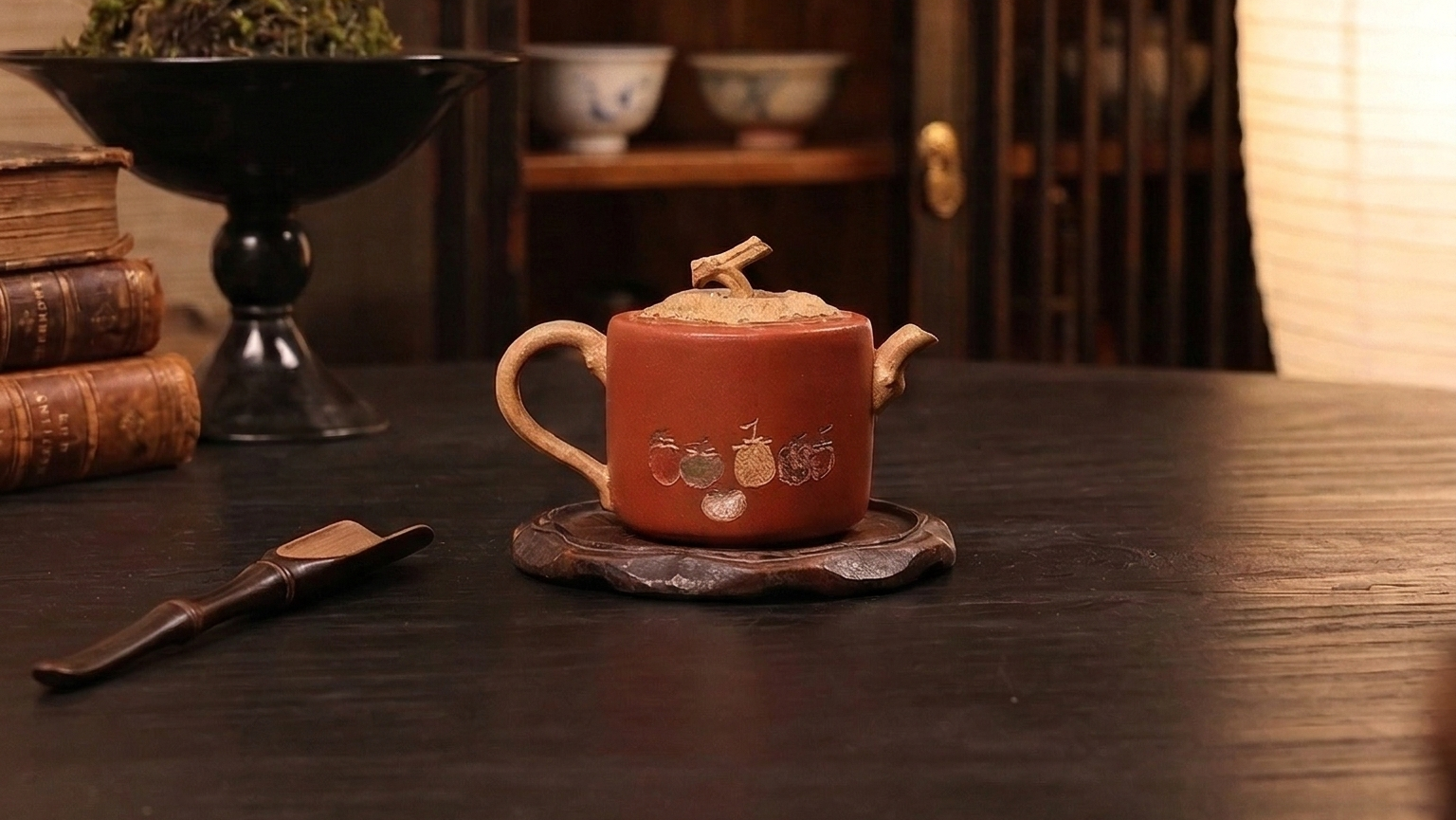
Amidst eras, admirers have been mesmerized by the singular charm of Yixing Zisha containers. Originating from the area of Yixing in the mainland, these pots are renowned for their exceptional beauty, scarce clay, and natural ability to perfect the aroma of the drink. The material's distinctive maroon hue, combined with the expert construction of native craftsmen, creates items that are and functional creations and precious assets. Owning a Zisha teapot is more than just a purchase; it's embracing a rich civilizational heritage.
Examining Yixing Teapots: Ancestry, Forms, and Merit
The renowned Yixing teapots constitute a fascinating tradition deeply intertwined with Chinese culture. Originating in the Yixing region of Jiangsu province, these clay vessels carry a heritage connecting back to the Ming Dynasty. Preliminary examples were functional, but across centuries, Yixing teapot production evolved into an esteemed art form. The clay itself, known for its unique texture and ability to refine the flavor of the tea, persists a defining factor. Yixing teapots manifest in various designs, broadly categorized by shape: Classic such as Zhuni (purple clay) and Zisha Teapot Bisheng, as well as refined designs. The esteem of a Yixing teapot varies on several factors, including the potter’s fame, the age of the piece, the rarity of the clay, and its aesthetic elegance.- Record: Founding era
- Material: Several sorts
- Cost Determinants: Historical period
Zisha Pot Expertise: Proficiency and Makers
This assembly of a real Zisha teapot is a complex process, requiring extensive times of proficiency. Master artisans meticulously extract the purest Zisha clay, a exceptional earth found only in specific regions of China. Customary techniques, often bequeathed through families, involve accurate shaping, subtle carving, and deliberate firing in ancient furnaces. The end teapot isn't merely a pot; it's a testament to expressive vision and the significant connection between the potter and their ancestry. Each item showcases the specific touch of the potter, resulting in a truly rare work of expression.
Eastern Ceramics: Surveying the Vast Institutions of Yixing City
Esteemed Yixing, situated in Jiangsu the area, is globally renowned for its exceptional ceramics – a tangible representation of centuries of Chinese creative legacy. These aren't merely vessels for steeping tea; they are intricate works of expertise, often reflecting philosophical ideals. This unique purple clay, known as Zisha, possesses notable qualities: it dense, open to air, and imparts a subtle nuance to the tea.
- Many lineages have honed the techniques of Yixing urn making, passing down secret methods through families.
- Devotees prize these pieces for their grace and scarcity.
- Several jar tells a anecdote, connecting the user to a rich heritage.
Considering Yixing Zisha: Essential Tips
While looking into buying Yixing Zisha containers, several distinct components demand careful scrutiny. First of all, the element's pigment is paramount; authentic Zisha traditionally exhibits a pronounced reddish-brown shading. Moreover, assess the technique; clear aspects and a sleek overlay demonstrate accomplished production. To finish, examine the craftsman's standing; well-known names garner elevated costs and often guarantee a better appreciation.
Zisha Pot Techniques for Tea Brewing
Infusing savory tea with a Zisha container is more exceeding a simple ritual; it's an art. Zisha clay, recognized for its unique chemical composition, imparts a soft character to the composed tea that’s often gone with other containers. The right water climate is imperative; typically, softer than what's used for black tea, to retain the tea's fragrance and zest. Consider mindfully the tea sort; delicate green teas or aged pu-erhs thrive from the Zisha’s ability to soften their fundamental edge. It’s essential to cleanse the teapot before brewing, and to exclude over-steeping. Mastering this skill leads to a genuinely exceptional tea phenomenon.
- Appreciating Zisha Clay
- Warming Level & Variety of Tea
- Essence of Tempering
Sustaining Your Renowned Clay Pot
In an effort to maintain the lifespan of your adored Yixing kettle, ongoing management is vitally required. Avoid using soap; instead, lightly wash it with mildly heated solution. Ward off abrupt swings; please don't situate the kettle directly onto a hot base. Periodically, season the pot by brewing it with premium specialty beverage, as this promotes to build its quality and preserves the special characteristics of the clay.
Concerning Material to Cup: The Progression of a Classic Brewing Device
Such creation of a Zisha teapot is a remarkable procedure, a indication to both the land’s bounty and the finesse of the craftsperson. It originates with the exact extraction of the special clay from the mauve Zisha mines not far from Yixing. This natural material, known for its remarkable essences, is then slowly washed and arranged for the initial forming. The jar’s figure is precisely fashioned using a union of heritage manipulating approaches, often incorporating elaborate decorations. Following hardening, the teapot undergoes a vital first firing, accompanied by a dressing stage, which might involve countless layers of natural Zisha coatings. Finally, a second, and sometimes third, firing at extreme temperatures finishes the product, revealing its finished beauty and fantastic characteristics - a true masterpiece, available to enrich a tea gathering.
{Yixing Teapots: A Sign of the Legacy and Tribute
Legendary Yixing teapots, originating from the noted Yixing region of Jiangsu province, are far more than mere jars for brewing tea; they represent a profound aspect of Chinese culture. Crafted from distinctive purple clay – zisha – these exceptional teapots are highly valued for their ability to improve the flavor of the tea and, crucially, for their aesthetic appeal. The legacy of Yixing teapot making spans centuries, and the craft involved is inherited through generations, making each teapot a artistic creation that embodies ancient techniques and a profound appreciation for the understated pleasures in life.