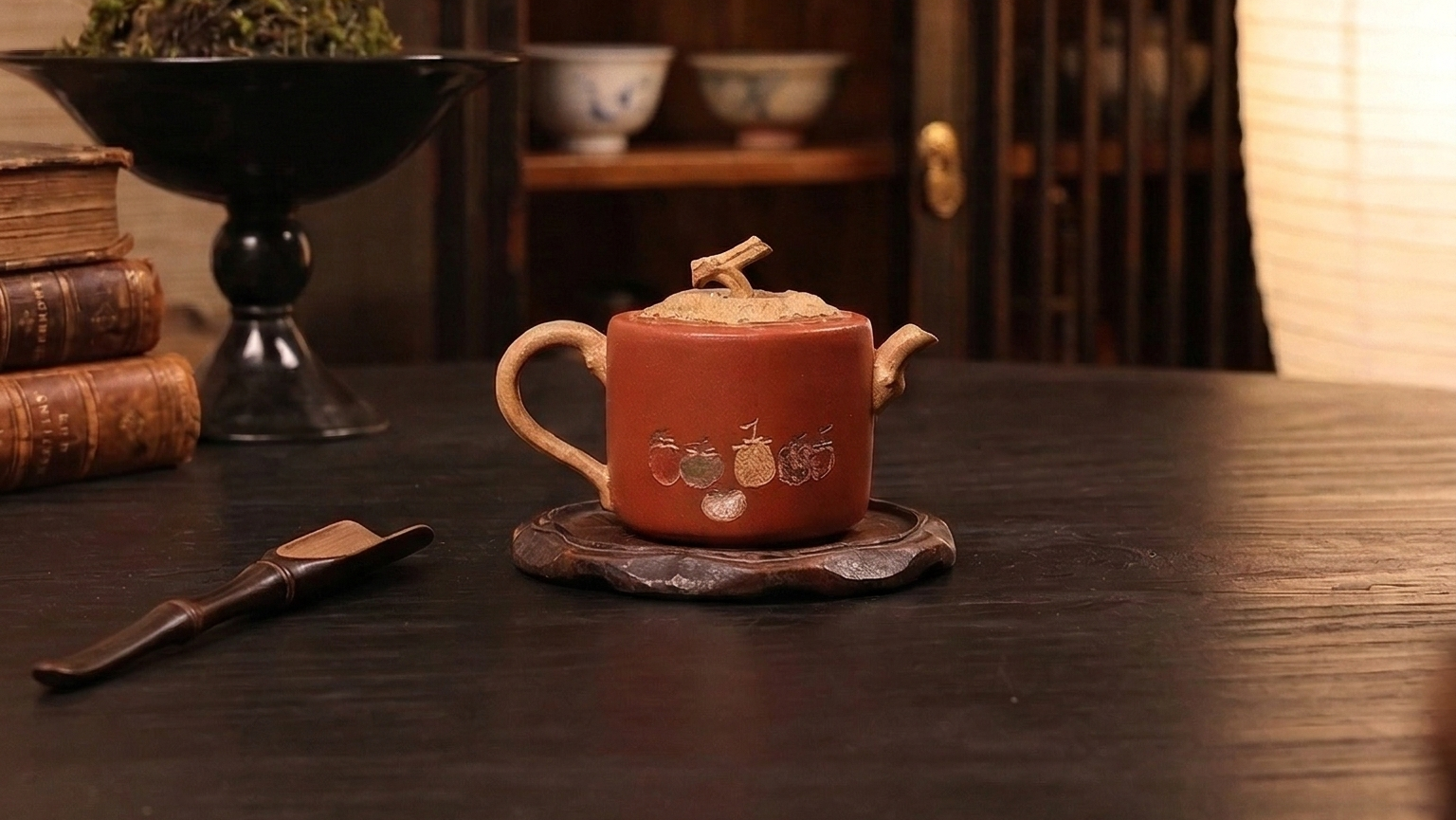
Is deep collaboration with tea houses key to scaling your Yixing Teapot line?
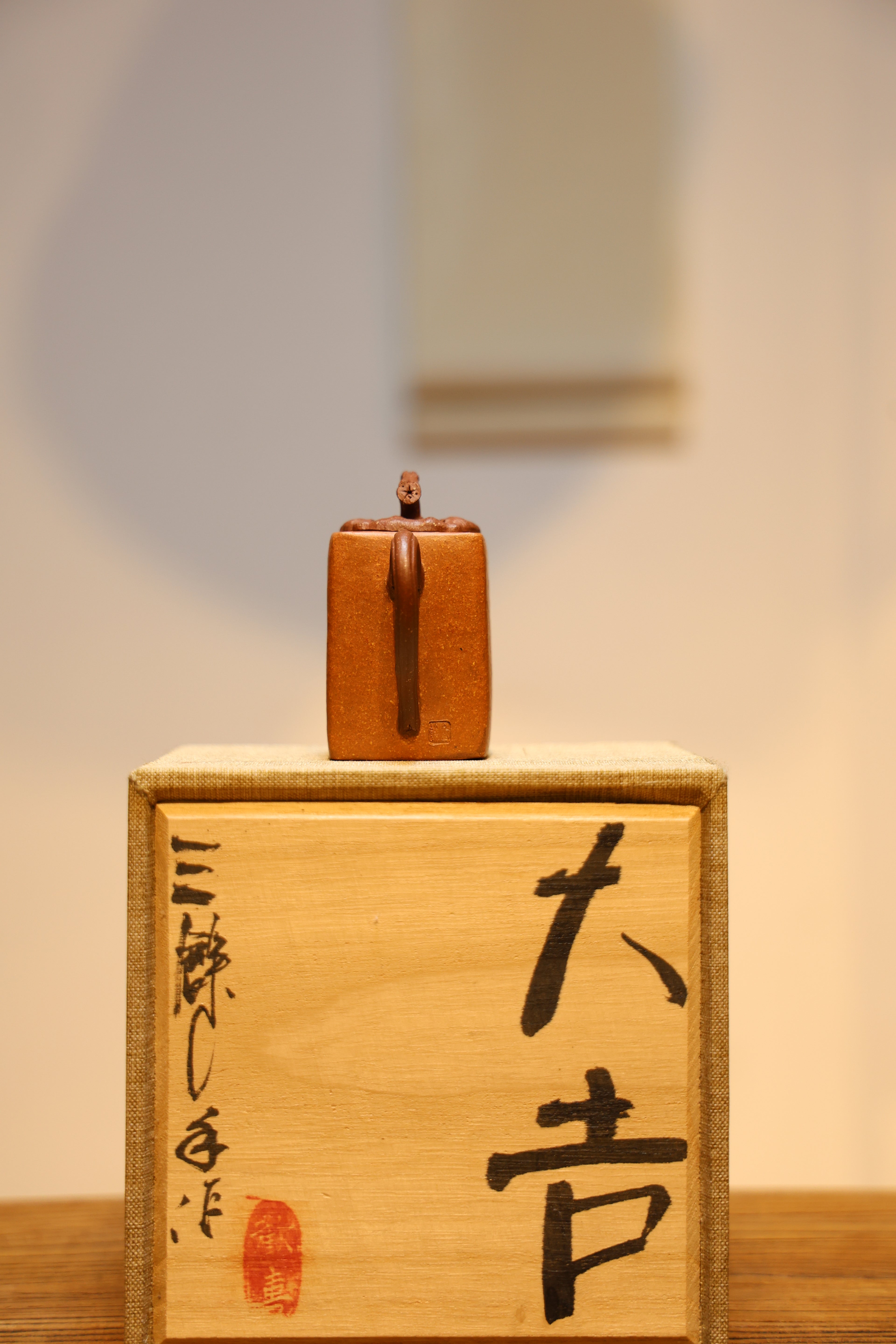
Millennia of collectors have sought the singular beauty of Yixing Zisha kettles. Emerging in the cozy town of Yixing, the state, these containers are made from a rare and collected purple clay acknowledged for its superior thermal features and tendency to enhance the bouquet of liquids. Aside from their utilitarian benefit, Zisha teapots reflect a deep cultural roots, resulting them exceptionally valued and a bona fide marvel for any passionate teapot enthusiast.
Uncovering Yixing Ware
These teapots highlight a extraordinary blend of history and seasoned craftsmanship. Hailing in Yixing, Jiangsu Region of China, their narrative originates in the Ming Dynasty, although documentation suggest earlier forms. The unparalleled reddish-brown clay, called Zisha, found merely in the Yixing region, is the integral component, contributing to the pots' superior heat conservation and the manner they affect the character of tea. Lineages of potters have polished techniques—often handed over through families—including modeling the clay, applying complex embellishments, and firing the pots at exact temperatures.- At first, Yixing teapots were often adorned with simple designs.
- Thereafter, more sophisticated carvings and expressive motifs became common.
- The baking procedure itself is a essential element, requiring years of practice.
Gathering Zisha Teapots: Necessary Considerations
Initiating a campaign to procure Zisha earthenware can be fruitful, but it’s essential to comprehend what to analyze. Authenticity is vital; focus on the terrain’s natural color, a earthy reddish-brown is traditional. Examine the feel; genuine Zisha has a special tactile sensation, often expressed as slightly uneven. The configuration should be well-proportioned and consistent with classic styles, while stamps, if present, require precise examination for veracity. Don’t delay to consult with expert connoisseurs or dependable references – their expertise is irreplaceable.
Oriental Pots: Delving into the Legacy of authentic Purple Ware
Eons have seen Yixing Zisha teapots hold a Yixing Zisha Teapot significant role in Chinese heritage. These skillfully produced pots, sourced exclusively from the area of Yixing, are celebrated for their identifiable tone, grain, and their ability to amplify the quality of potions. Legions of collectors acquire antique Yixing teapots, coveting them extensively not only for their aesthetic charm, but also for the history they represent.
Yixing Zisha Teapots: An Top Kinds and Their Features
Purple Clay teapots, coming from the local area of Yixing, China, are well-known for their remarkable clay and remarkable brewing capabilities. Amidst the different Zisha types, selected types that are highly esteemed include Zhuni. Binzhou, known for its dark purple shade and polished texture, delivers a light flavor. Duan Ni species, recognizable by its auburn color and a little grainy feel, is thought to enhance a heft. Lastly, Zhuni faction boasts an scarce crimson tone and can offer a agreeable nuance. Each form provides a individual experience, bringing them remarkably desirable among potion enthusiasts.
Refining A Yixing Container
To discover the full potential of your Yixing urn, learning the correct approach is necessary. These clay kettles, celebrated for their absorbency, will eventually incorporate the flavor of the tea you formulate within them. Begin by cleaning the jar thoroughly with boiling water. Then, use only premium unpacked leaf tea, as lower quality options can affect the pot’s delicate notes. Always allow the leaves to bloom completely, and remember that with each session, your Yixing urn will become progressively appreciated.
Preserving Your Valuable Zisha Item
Proper care for your Zisha container is essential to safeguarding its beauty and merit. Zisha clay, celebrated for its unique pigmentation and surface, requires careful handling. Never use corrosive cleaners, as these can spoil the finish. After every application, rinse the teapot with mild water and allow it to dehumidify completely.
- Do not soaking the pitcher for extended periods.
- From time to time use a soft polishing cloth to clean the exterior.
- Reflect on applying a thin layer of food-grade balm inside the vessel after drying, which can avoid staining.
Fundamentals of Yixing Kettles
Yixing teapots, originating from the Yixing locale in Jiangsu Province, the Chinese territory, are celebrated for their distinctive qualities. Produced from the unique purple substance known as Zisha, these containers are prized by potion enthusiasts worldwide. This summary will simply explain the core elements – covering sorts of Zisha composite, popular shapes, and vital care suggestions. Understanding the foundation of Yixing jars can enhance your appreciation for this esteemed example of Oriental folklore.
Trade of Asian Teapots: Focusing on Zisha found in this city of Yixing
Zisha substance from the Yixing territory represents the pinnacle of Yuan vessel design, showing a singular amalgamation of unprocessed beauty and effective artistry. These distinguished pieces are esteemed for their dynamic pigments, often encompassing profound purples and orange hues to delicate greys and light beiges. The distinctive mineral composition of the native Zisha material imparts a defining texture and yields a desirable aroma that boosts the total infusion experience, causing them very desired collectibles and essential components of any serious tradition.