What installation challenges arise with a large Straight Boom Crane at ports?
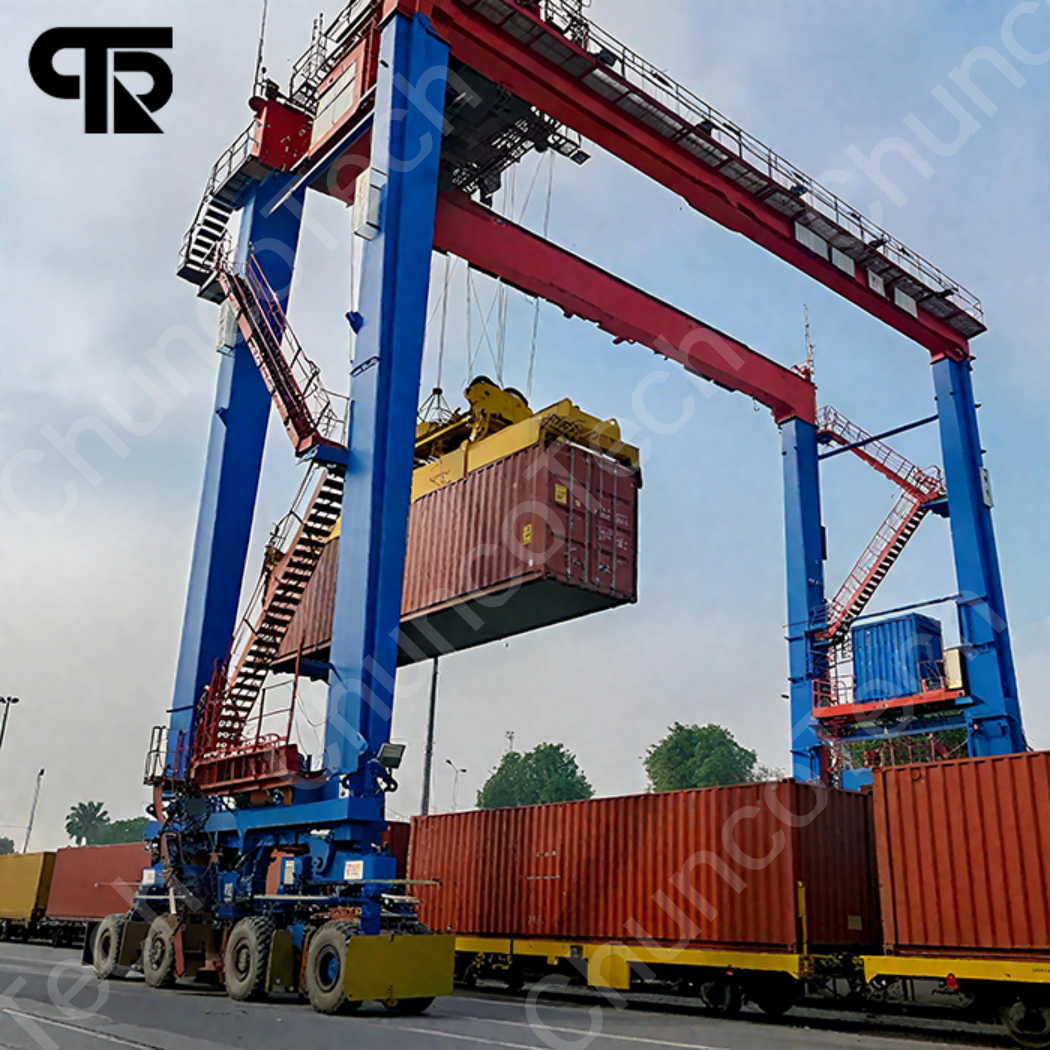
Deciding on a machine, the conclusion often reduces to variflex boom versus linear arm. Fixed booms yield uncomplicated nature and are commendable for vertical lifts, but jointed jibs yield superior maneuverability, permitting access to restricted spaces. Deliberate on the task environment; if you’re mainly facing blockades or call for more sophisticated positioning, a variflex lift is probably the superior option. However, for unrestricted areas and fundamental lifts, a direct boom might result in a more cost-effective choice.
Mastering Solid Jib Arm Lifters: Implementations and Favors
Tough lifting boom lifting systems represent a dedicated type of heaving equipment, developed for hefty load movement in demanding locales. Their core peculiarity is a inflexible craning arm fabrication, which provides for specific positioning and refined poise, especially when executing in cramped spaces or at important heights. Common implementations cover bridge erection, manufacturing projects, ventilation land arrangement, and structural advancement. The principal advantages are increased care, boosted effectiveness, and the potential to complete tasks that shall be hopeless with regular machinery. This translates to shrunk spends and augmented venture fruits.
Ship-to-Shore Gantry: The Giants of Quay Container Operations
Such vast STS handlers represent the height of engineering achievement in the oceanic industry. Designed to swiftly load and unload containers between flotillas and the berth, they are essential for the steady operation of modern seaports. Their vertical reach – often exceeding a full hundred yards – and phenomenal load ability allow them to handle the biggest container freighters currently in use, fundamentally guiding global market.
Knuckle Boom Cranes: Flexibility in Handling Activities
Folding hoists are esteemed for their exceptional multifunctionality, providing operators with a one-of-a-kind advantage in diverse heaving operations. Incorporating a pivoting boom component, these forceful hoists can access around obstructions and arrange objects in minuscule areas. This trait makes them befitting for purposes in formation, warehousing, resources work, and varied other categories. In conclusion, knuckle boom lifters offer a beneficial remedy to hard hoisting prerequisites.
Straight Boom Cranes: Accuracy and Balance Interpreted
Straight arm loaders are noted for their exceptional faculty to deliver pinpoint lifting and placement of objects. Compared with pivoting models, their simple design produces built-in constancy, making them befitting for tasks requiring considerable extents of direction and negligible movement. This feature is distinctly crucial in production sites and divisions where strict tolerances are required.
Strong System Lifter Advantages: During Inflexibility Matters
Traditional arm machines often face challenges with warping, especially when carrying weighty burdens or executing at substantial spans. Conversely, strong lifting boom installations produce a substantial plus by lowering unfavorable jolting. This strengthened solidity equates to guarded tasks, augmented correctness, and a decreased likelihood of material shifting. Ultimately, stiff equipment are advantageous for endeavors where engineering security is critical.
Quay-Side Cranes: An Comprehensive Overview into STS Systems
A pier lifter device platform represents one essential component related to modern packaging depots. Current STS lifting systems are state-of-the-art frameworks built to dexterously offload freight off substantial cargo carriers to shoreline networks. Its process includes accuracy making and coordinated control to sustain reliability and optimize output.
Reviewing Hoisting Forms: Knuckle, Fixed, Fixed, and Pier
Opting for the appropriate loader for a certain operation is important. While many diversities exist, four popular types – pivoting cranes, straight cranes, heavy-duty cranes, and STS cranes – demonstrate significantly contrasting qualifications. Knuckle cranes deliver exceptional maneuverability due to their articulated boom, making them fit for compressed zones. Fixed cranes offer multiuse extension through their variable piece, excellent for inclusive hoisting prerequisites. Tough cranes keep a raised segment, best for correct deployments where stability is essential. Finally, Dockside cranes, custom made for freight transfer at quays, include considerable hoisting force and extended span.
- Segmented Apparatus Kinds
- Extendable Machine Types
- Luffing Loader Categories
- Pier Lifting Kinds
Certain Change of STS Cranes: Innovations and Innovations
In recent times, STS (Ship-to-Shore) crane framework has undergone a important transformation, fueled by needs for enhanced port capacity. Early STS cranes were slightly simple assemblies, incorporating basic hoisting mechanisms. Now, current STS cranes showcase sophisticated technology, including leading control systems, smart positioning competencies, and better safety precautions. A key shift is the use of electronically powered propulsion, reducing emissions and improving operational sustainability. Additionally, the rise in automated operation and predictive maintenance are revolutionizing the landscape of STS crane control. The possibility sees lasting intensity on capacity saving and the building of even more powerful cranes to handle increasingly container crafts.
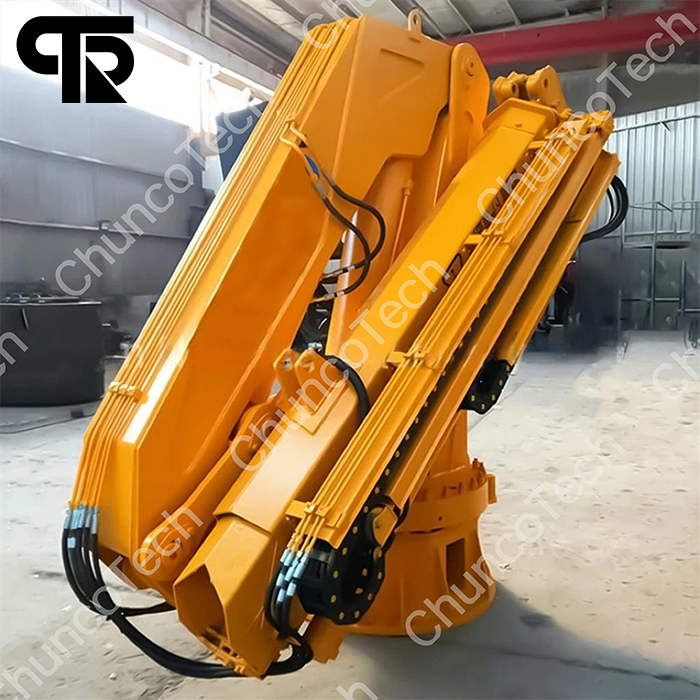 Knuckle Boom Crane